Fresh Berries Straight to Your Door
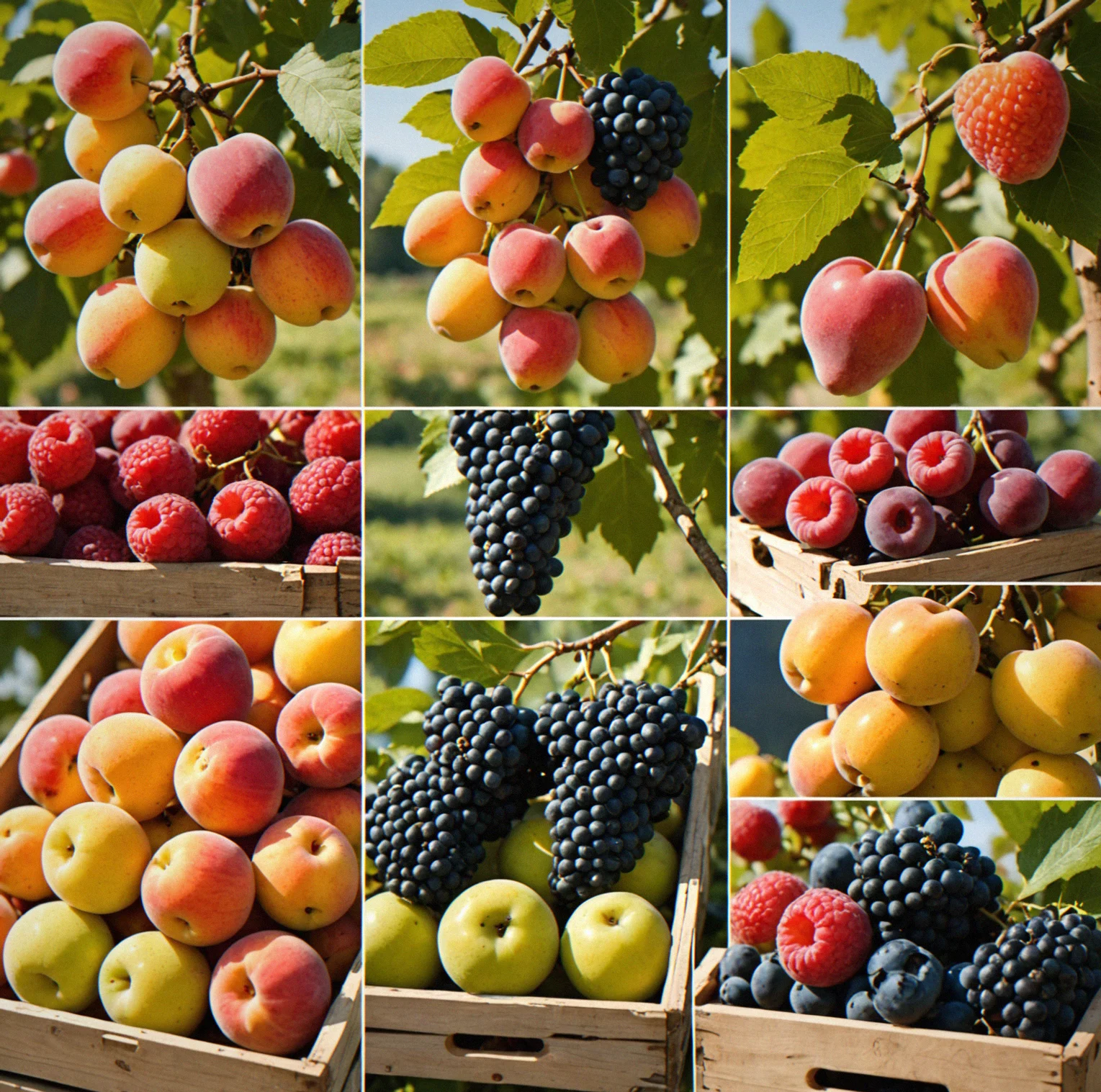
Raspberries and balckberries are at their best through mid-September. Get them delivered Thursday or Friday.
Questcorner works with specific growing regions and manages the cold chain to make sure your fruit arrives at peak ripeness. Pick raspberries on Monday and they show up in your cooler by Wednesday, still good for a couple of weeks. We follow the seasons—spring strawberries, summer stone fruits, fall apples—and you can trace everything back to the actual farm. We don't do year-round inventory. Just the fruit that's worth eating.
Farm to Table
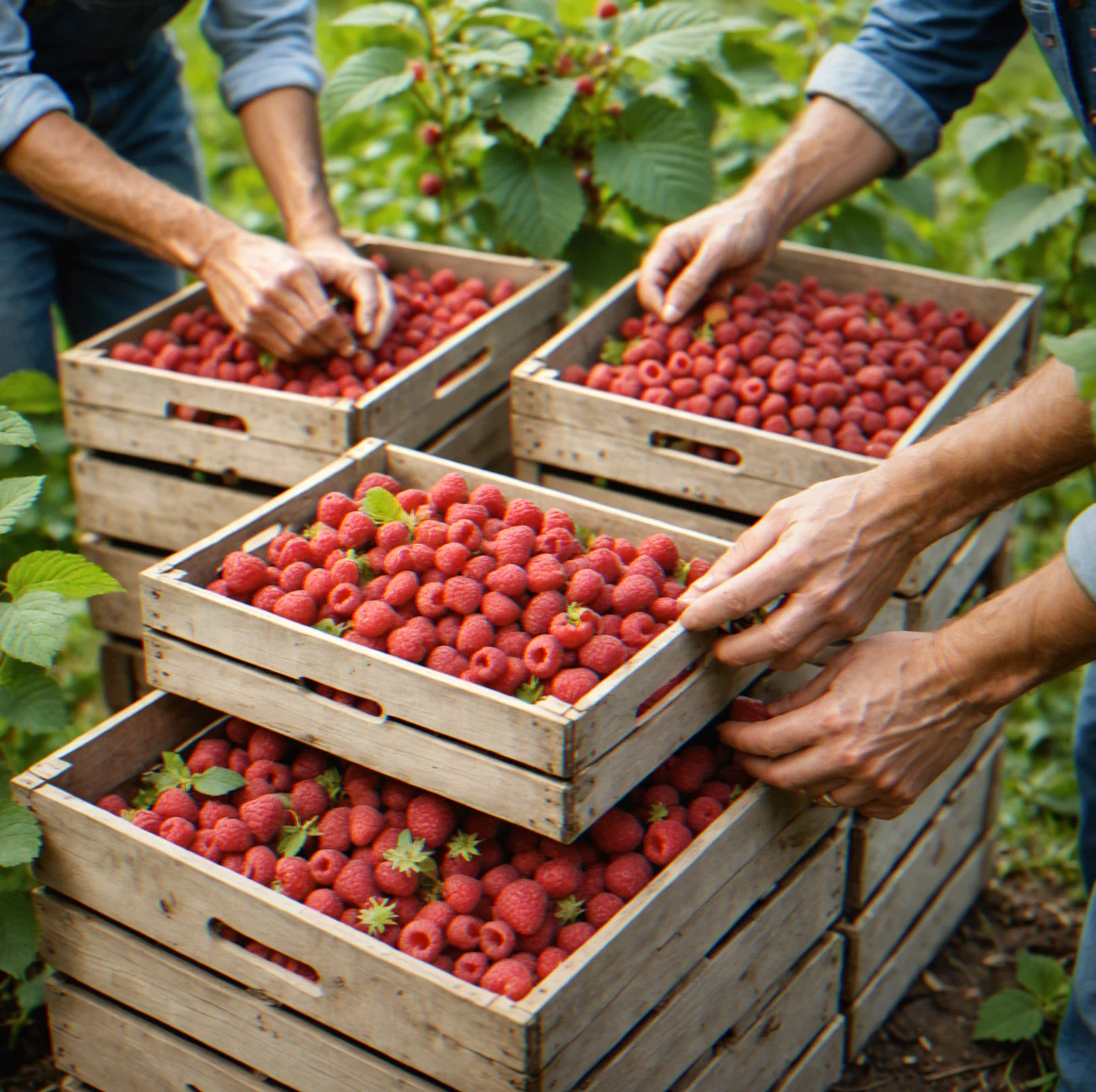
The cold chain is everything. When fruit gets picked matters, how fast it moves matters, and you need to know where it came from. Here's what that journey actually looks like, from the fields to your fridge.
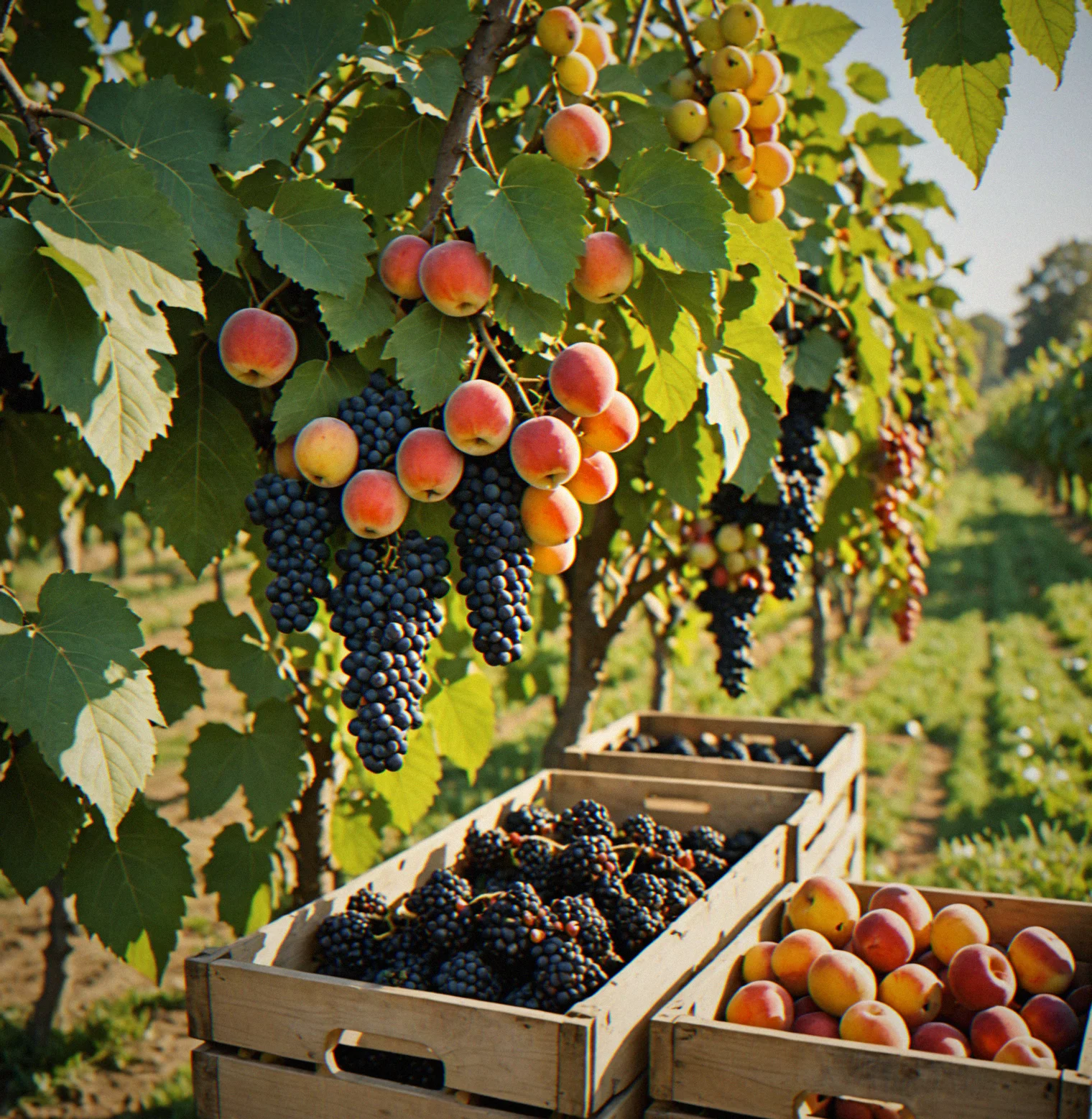
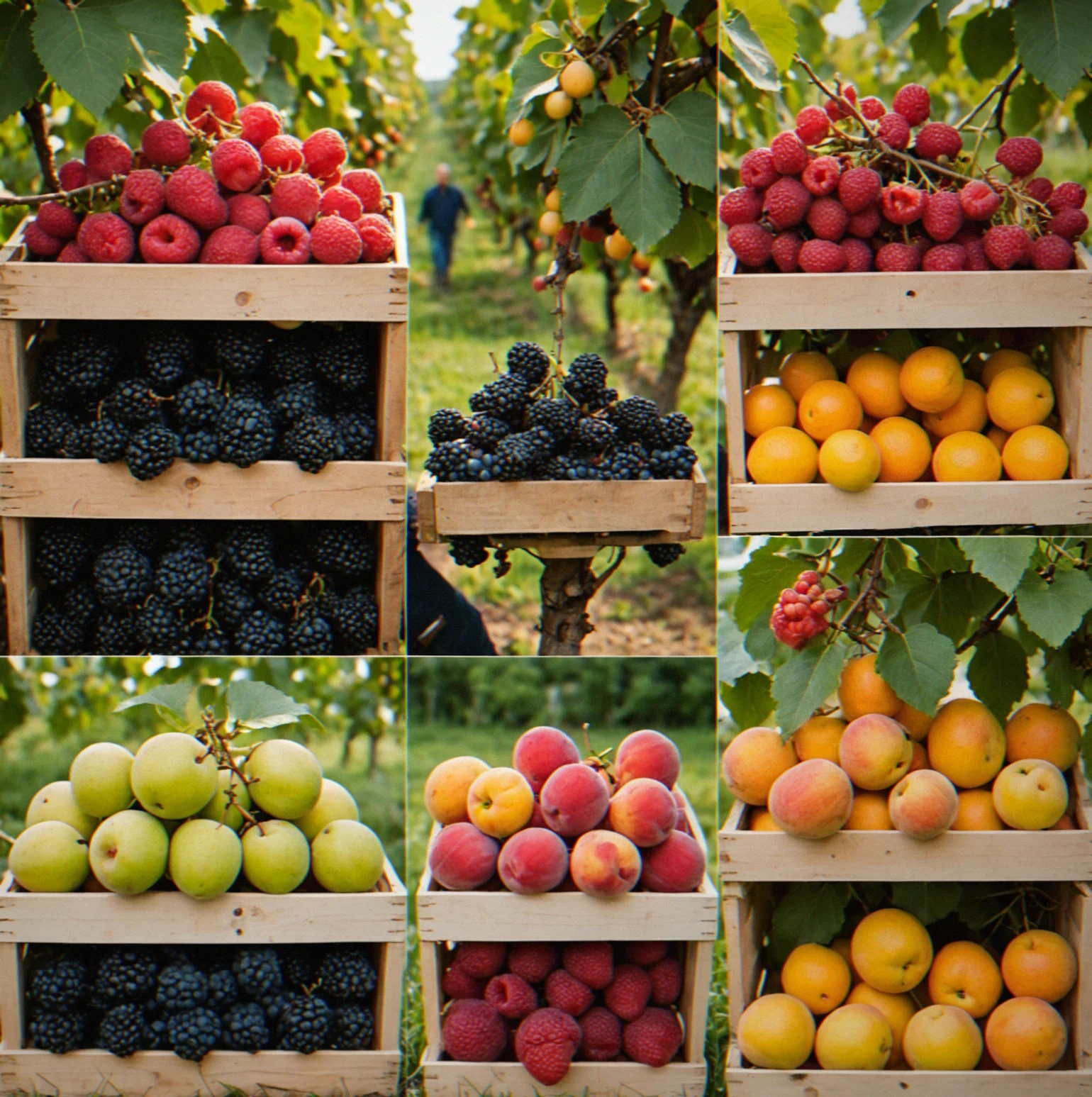
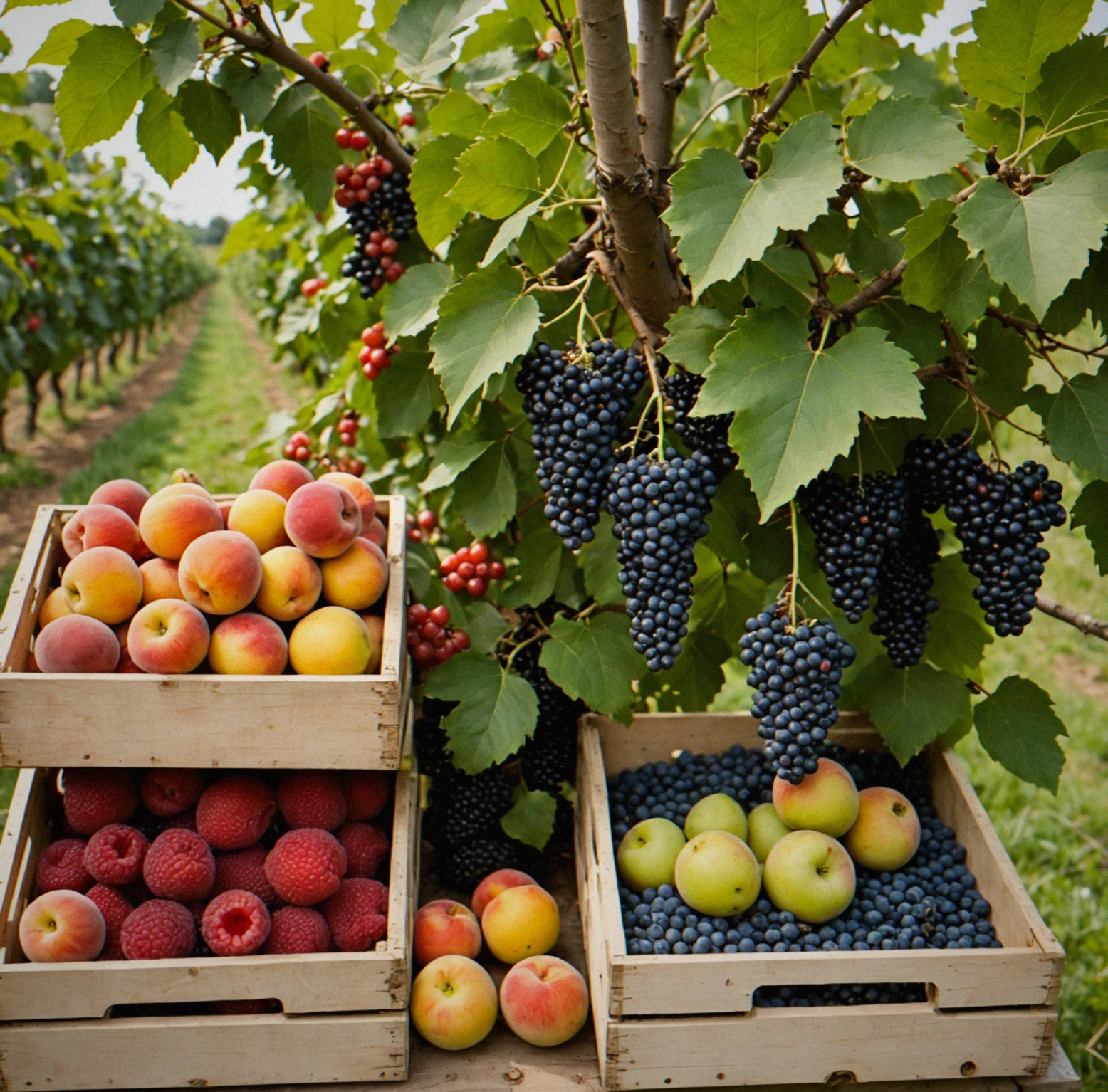
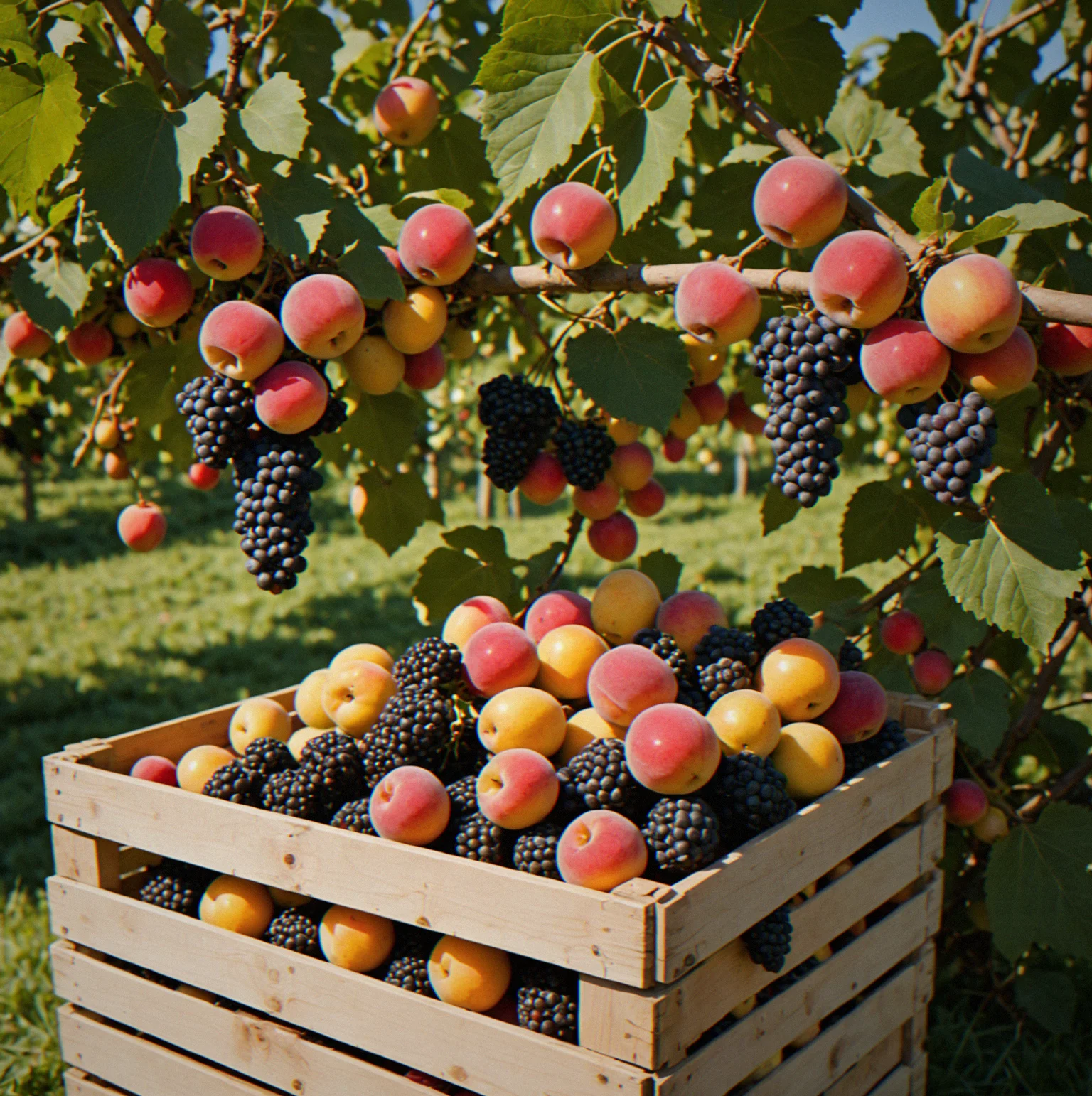
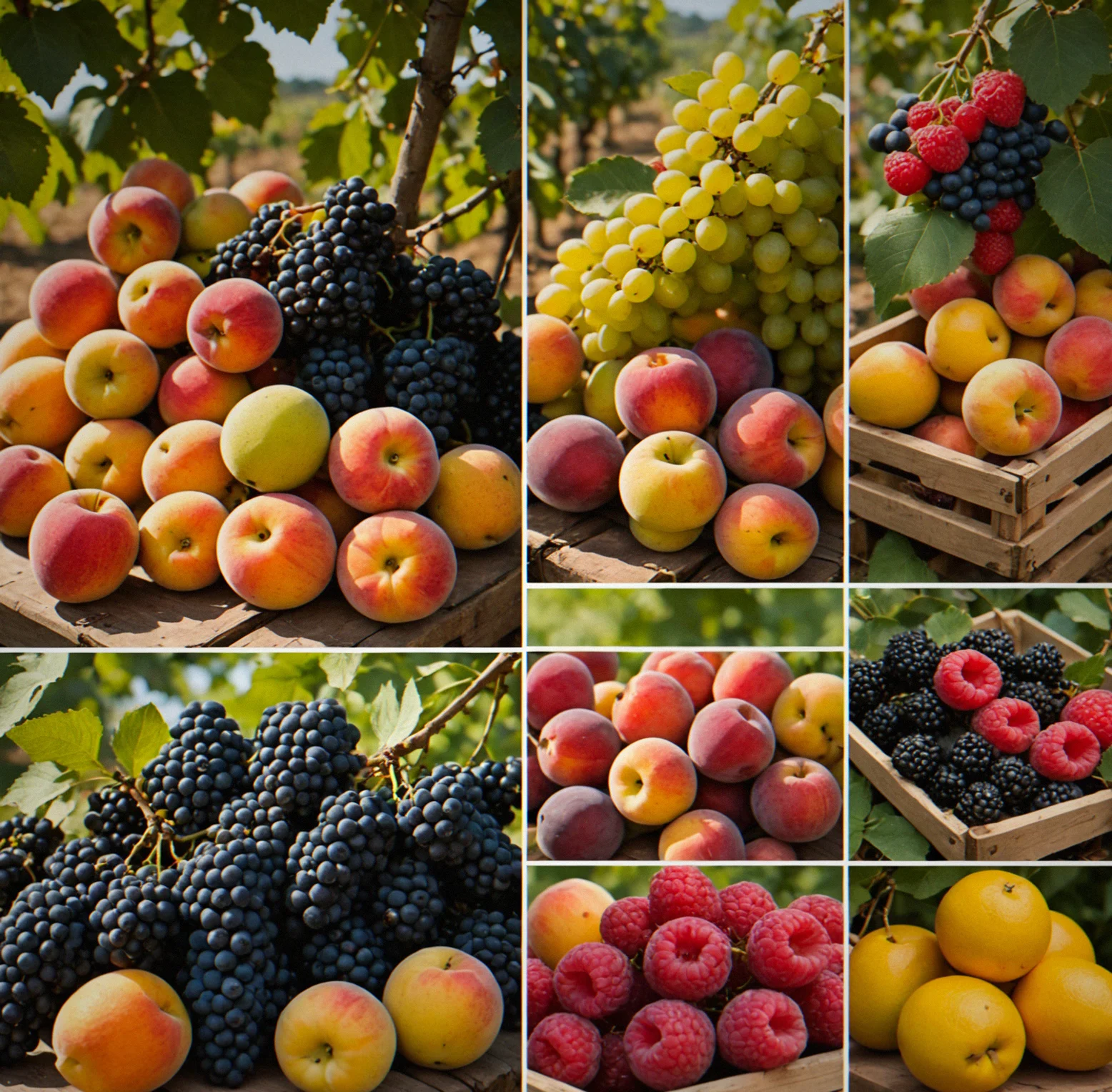
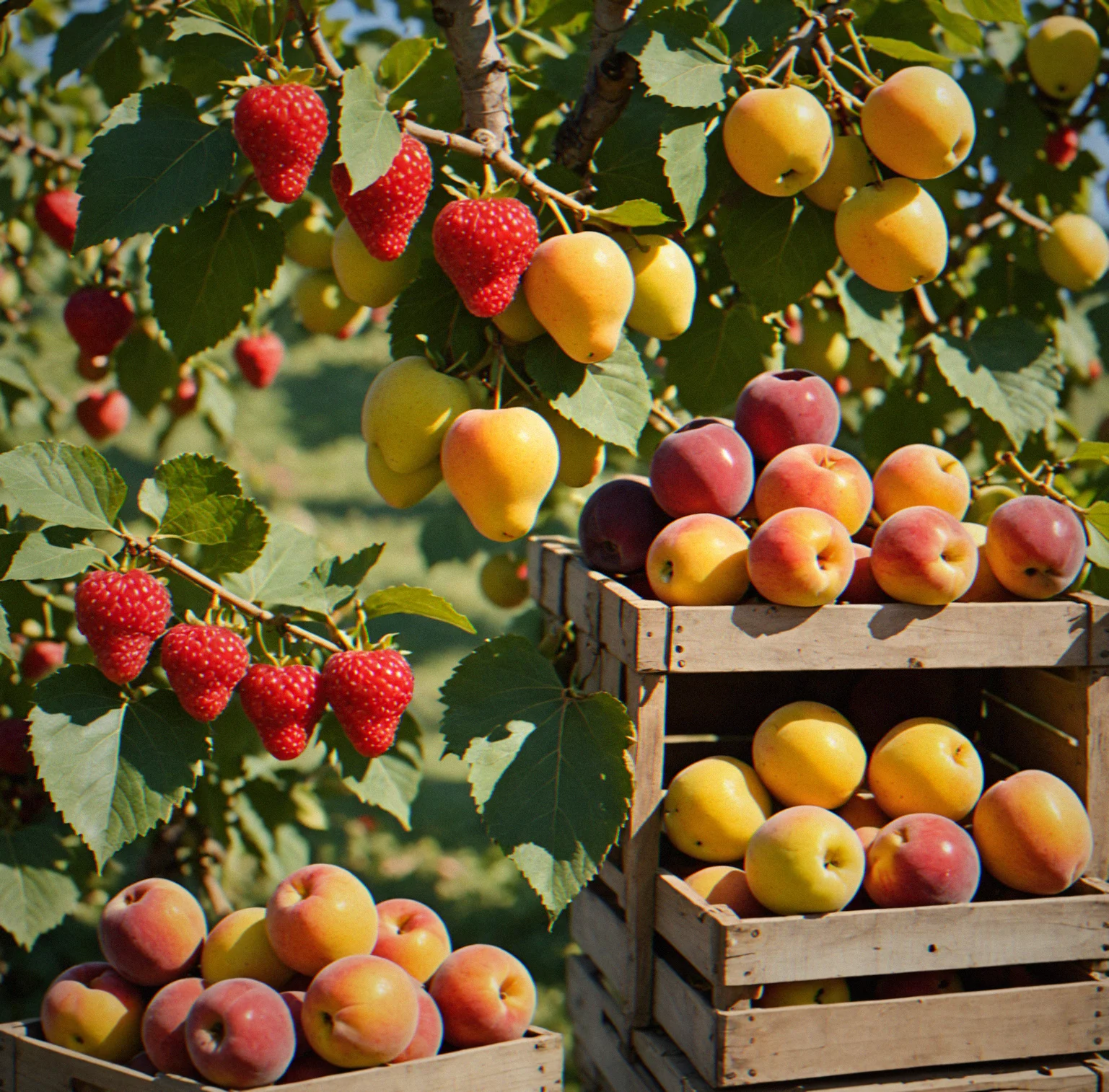
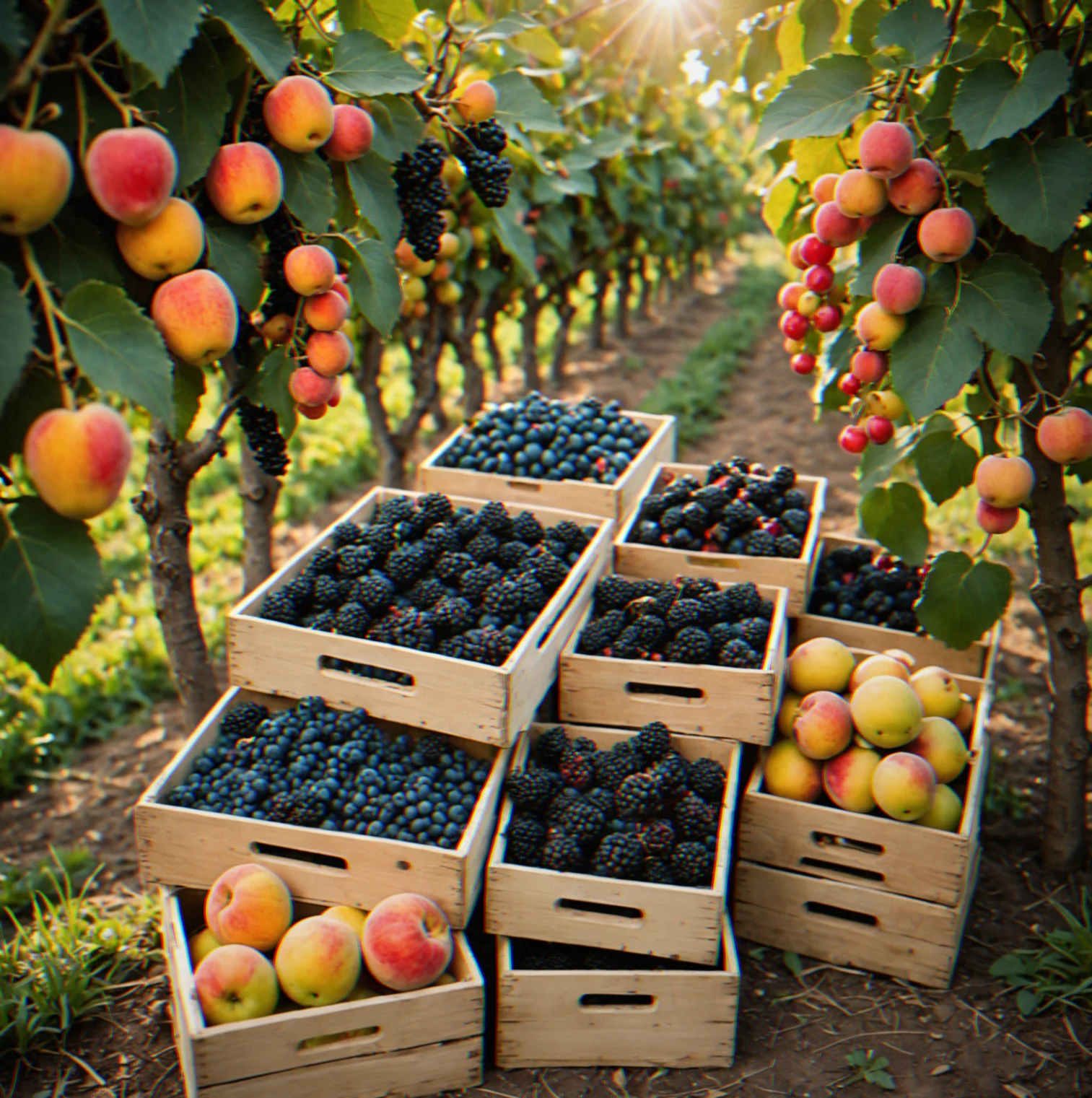
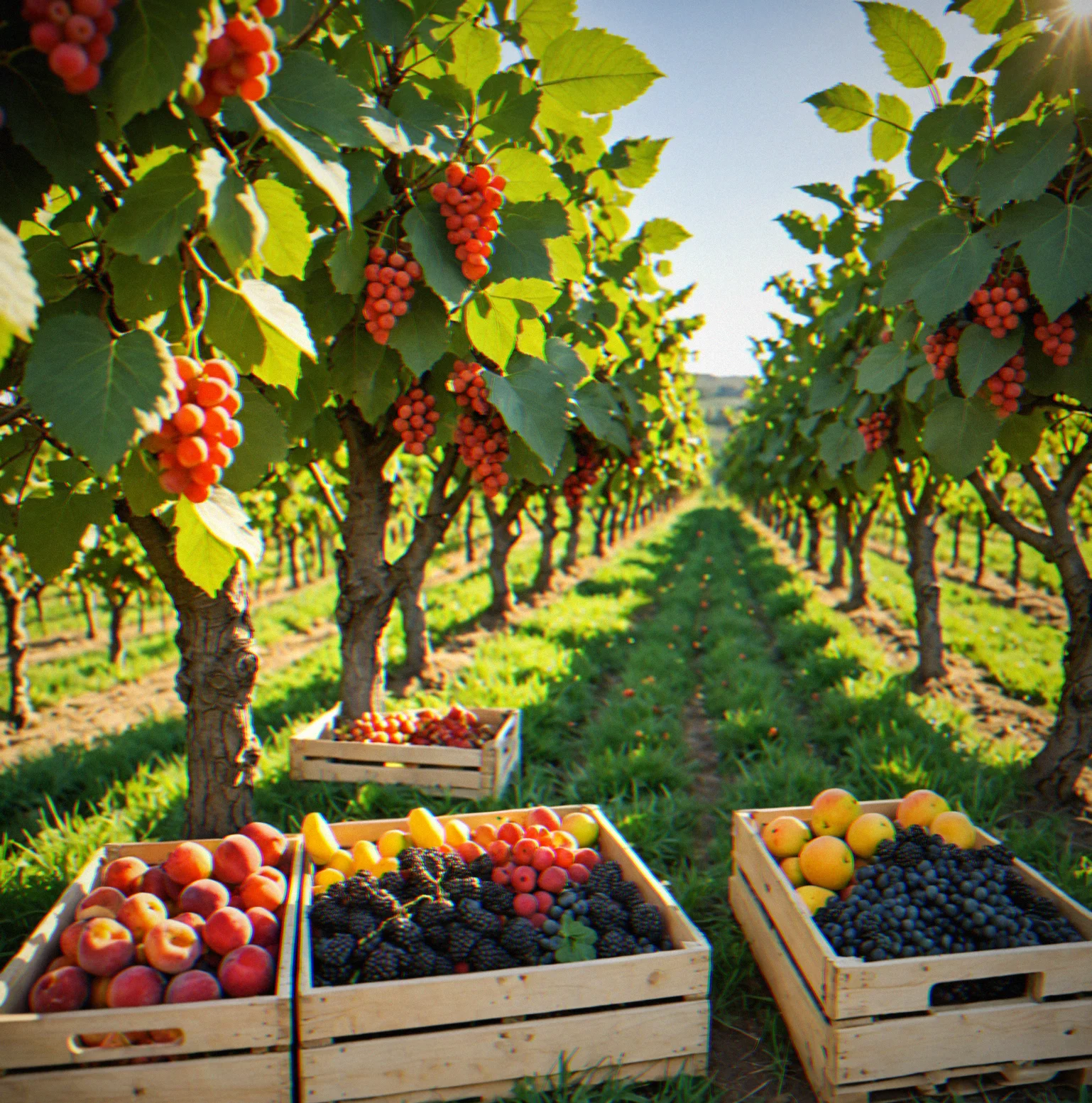
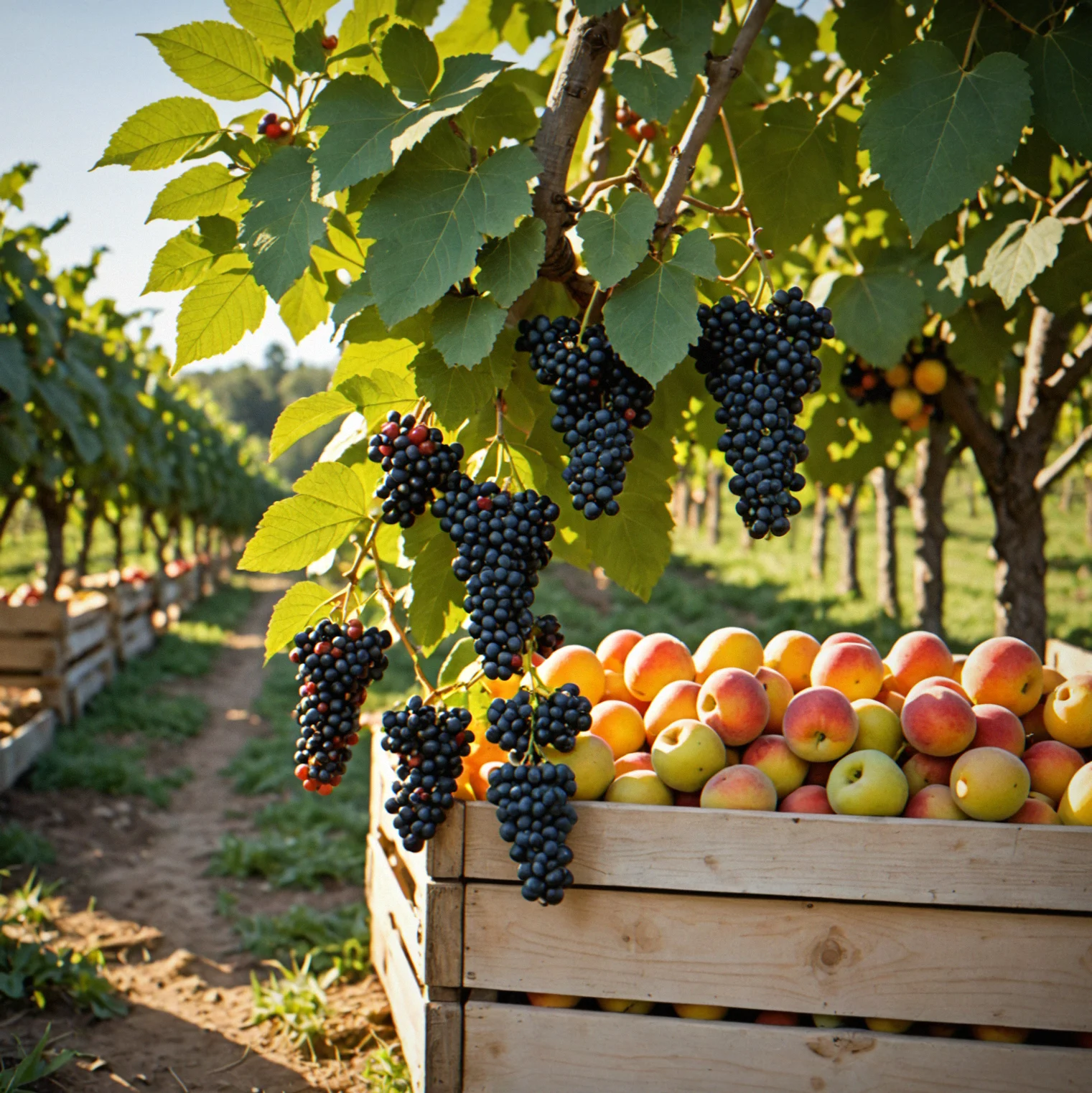
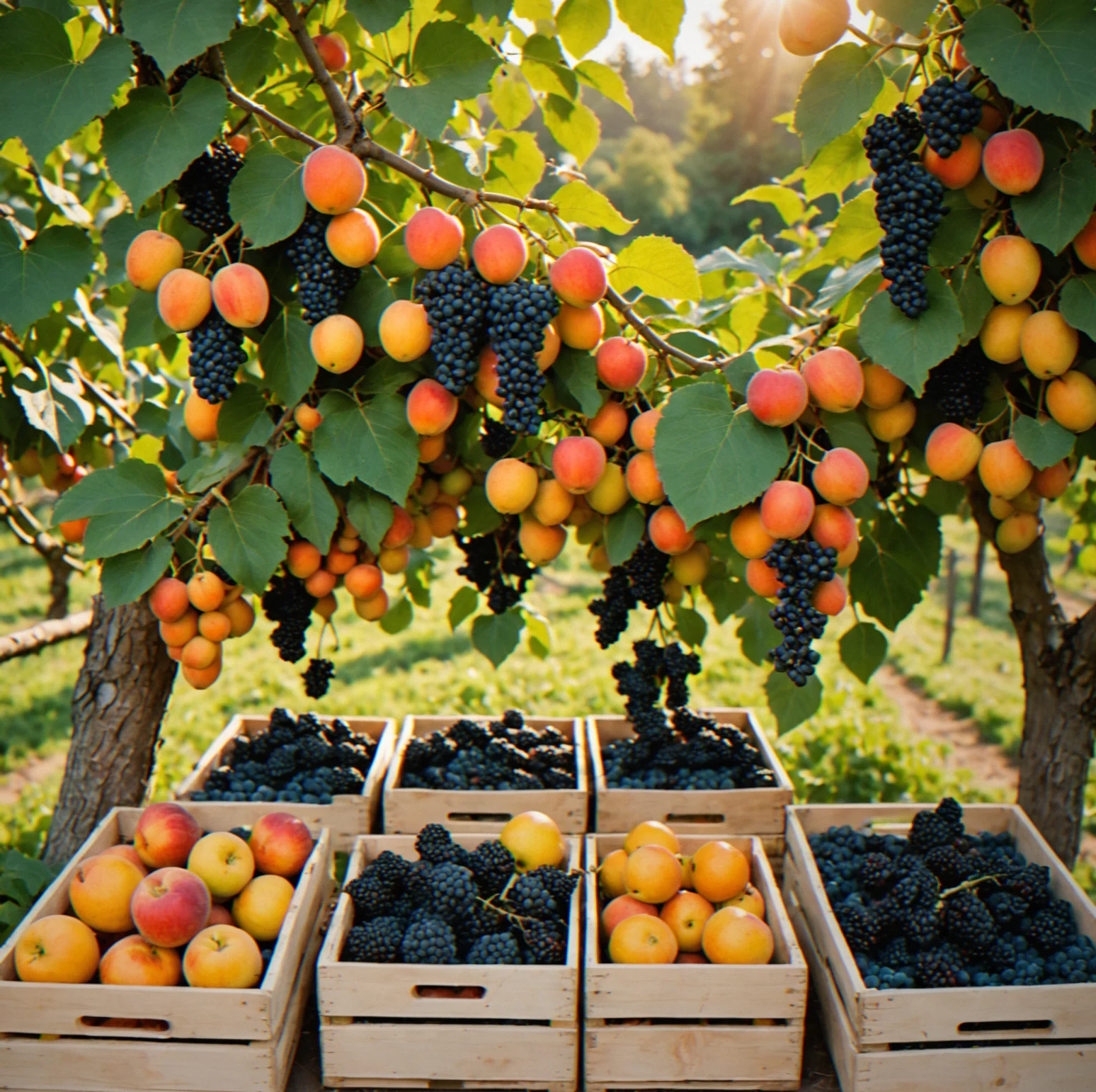
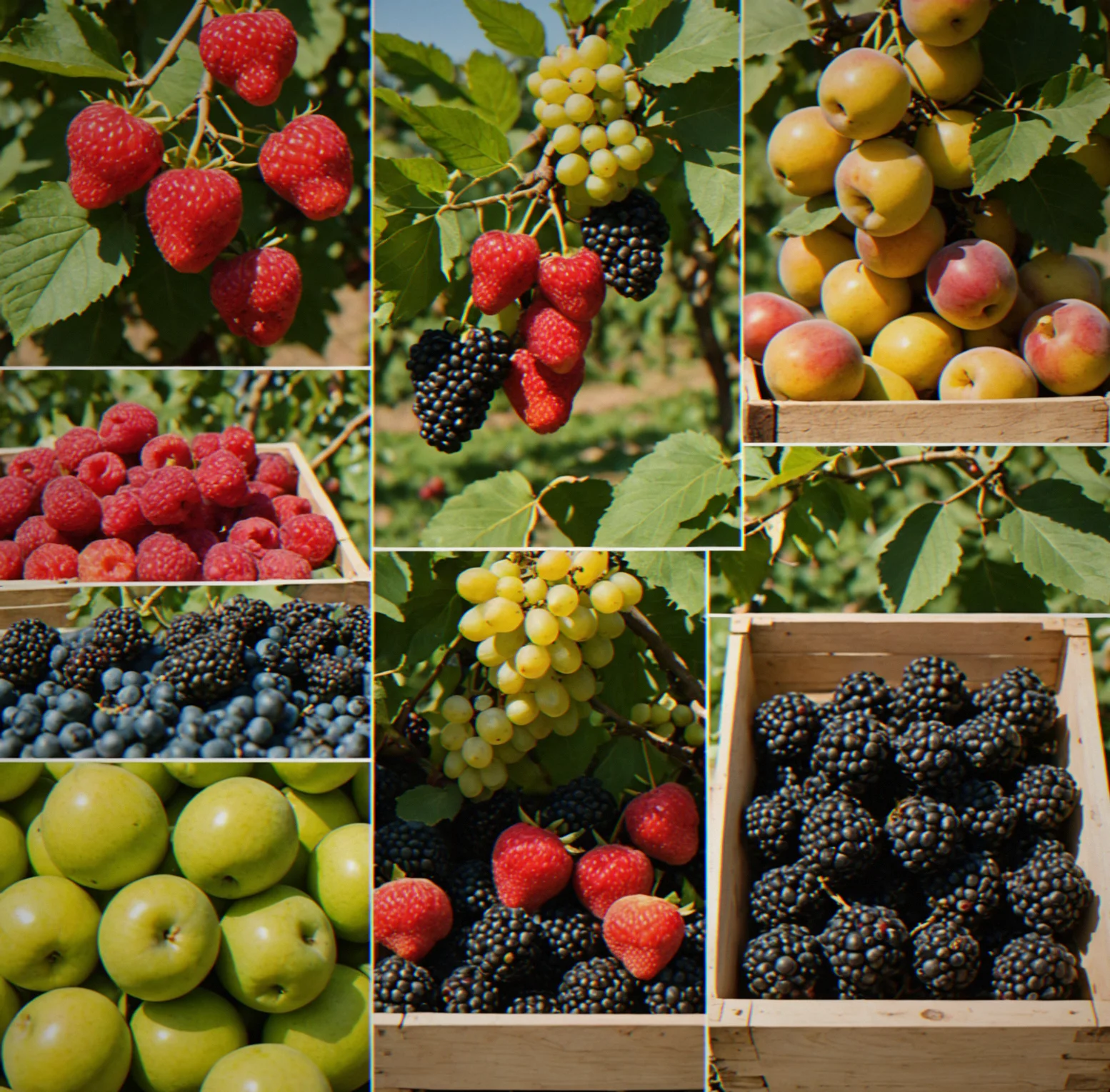
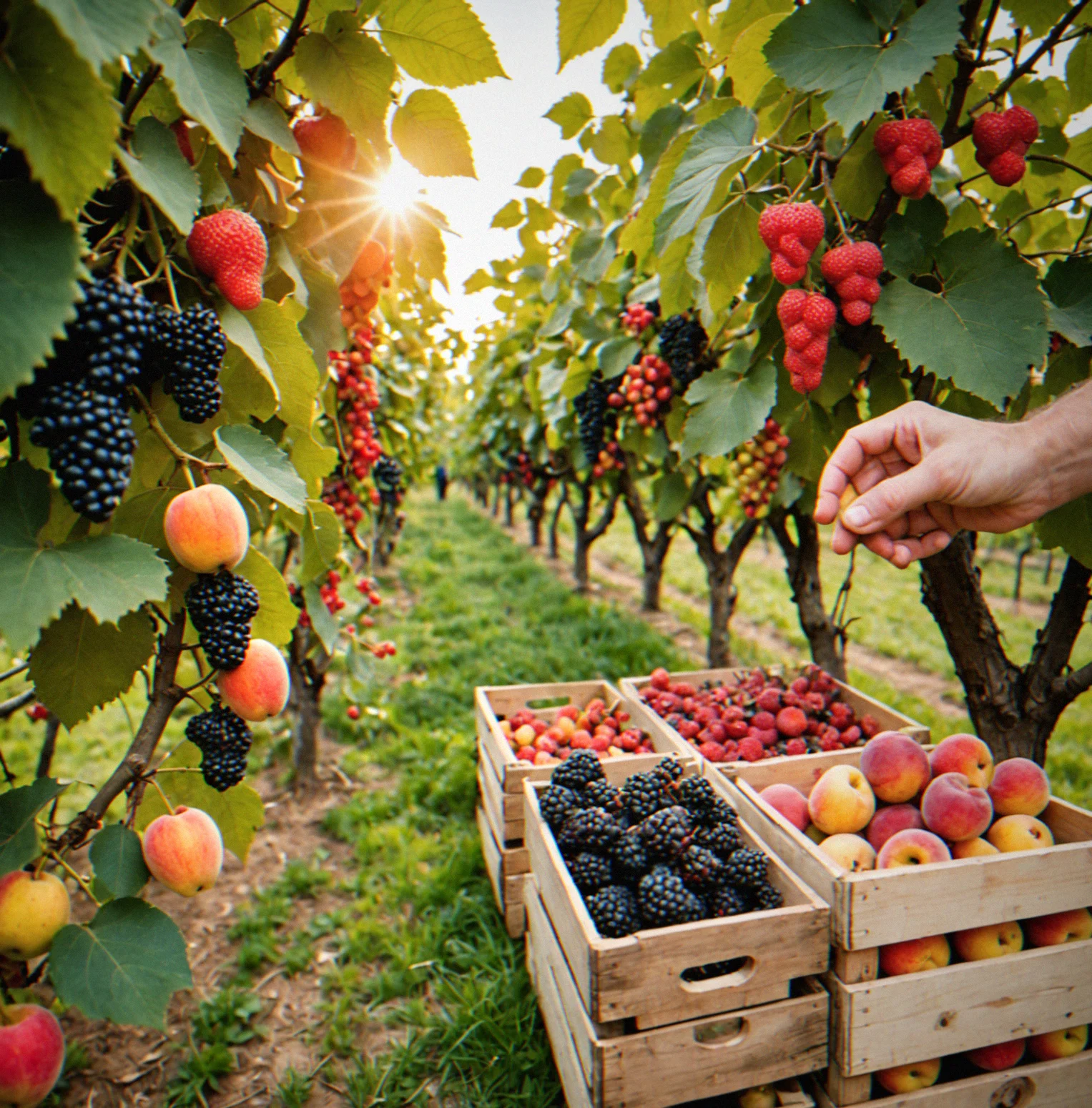
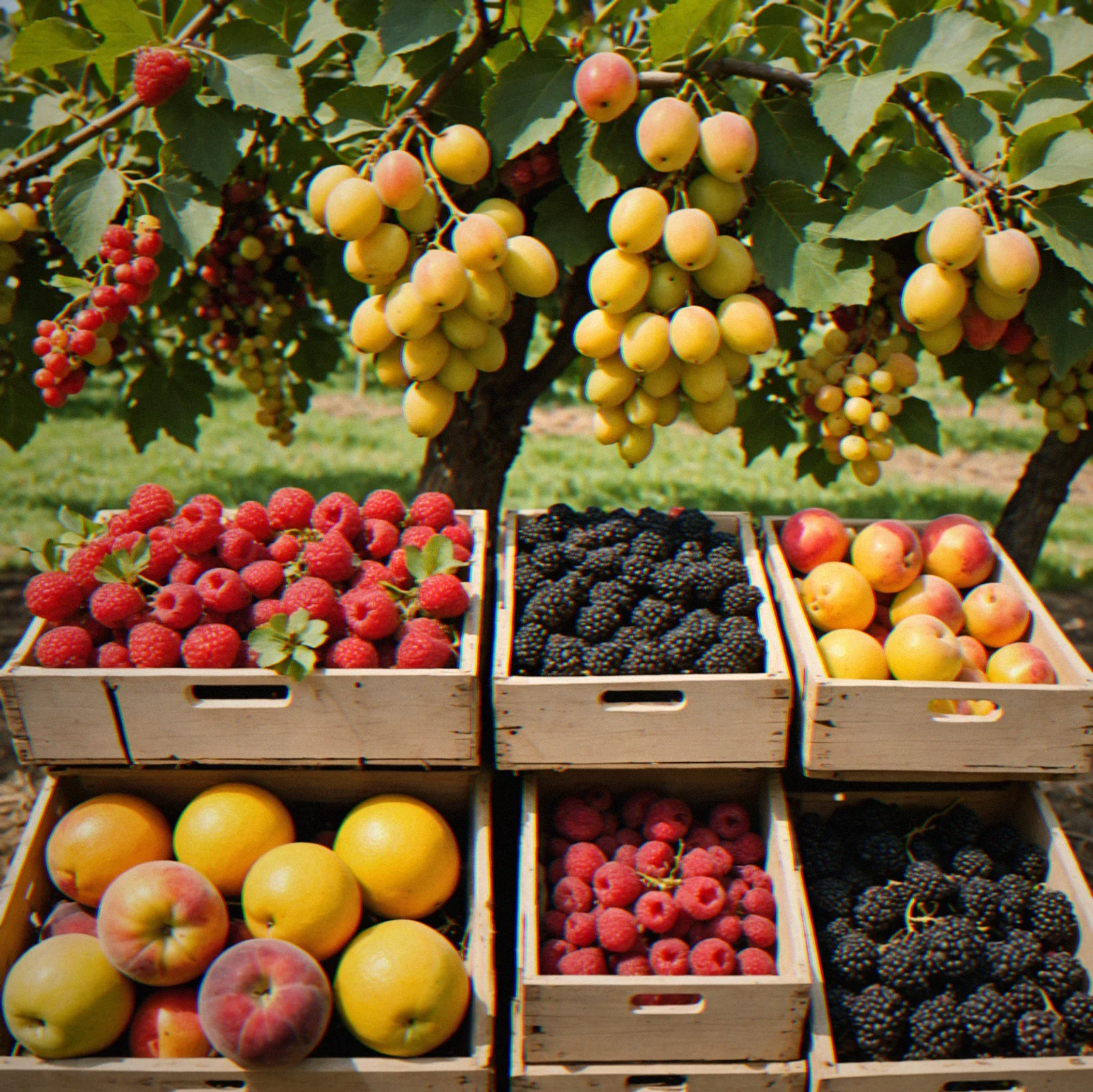
Seasonal Sourcing Basics
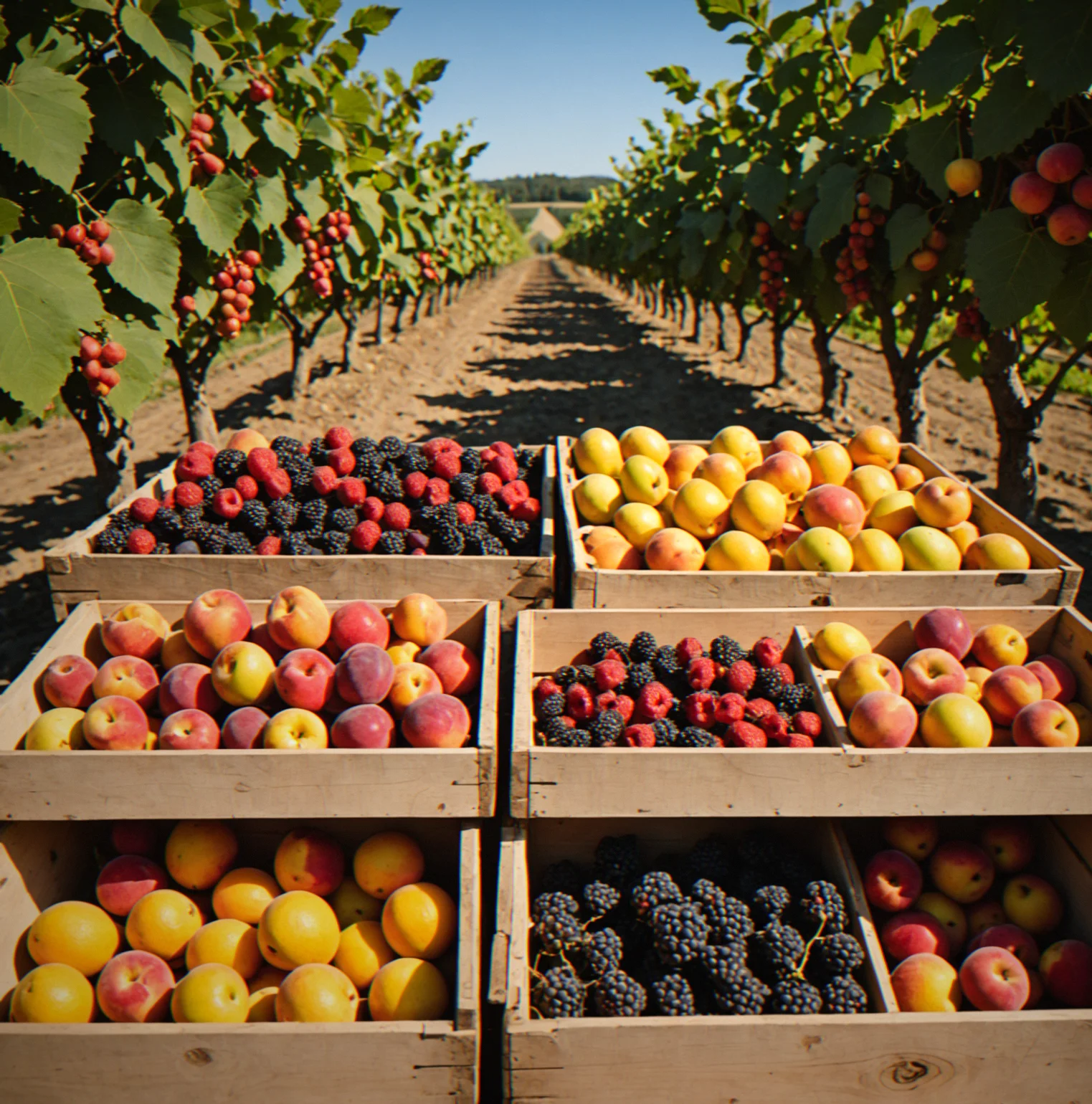
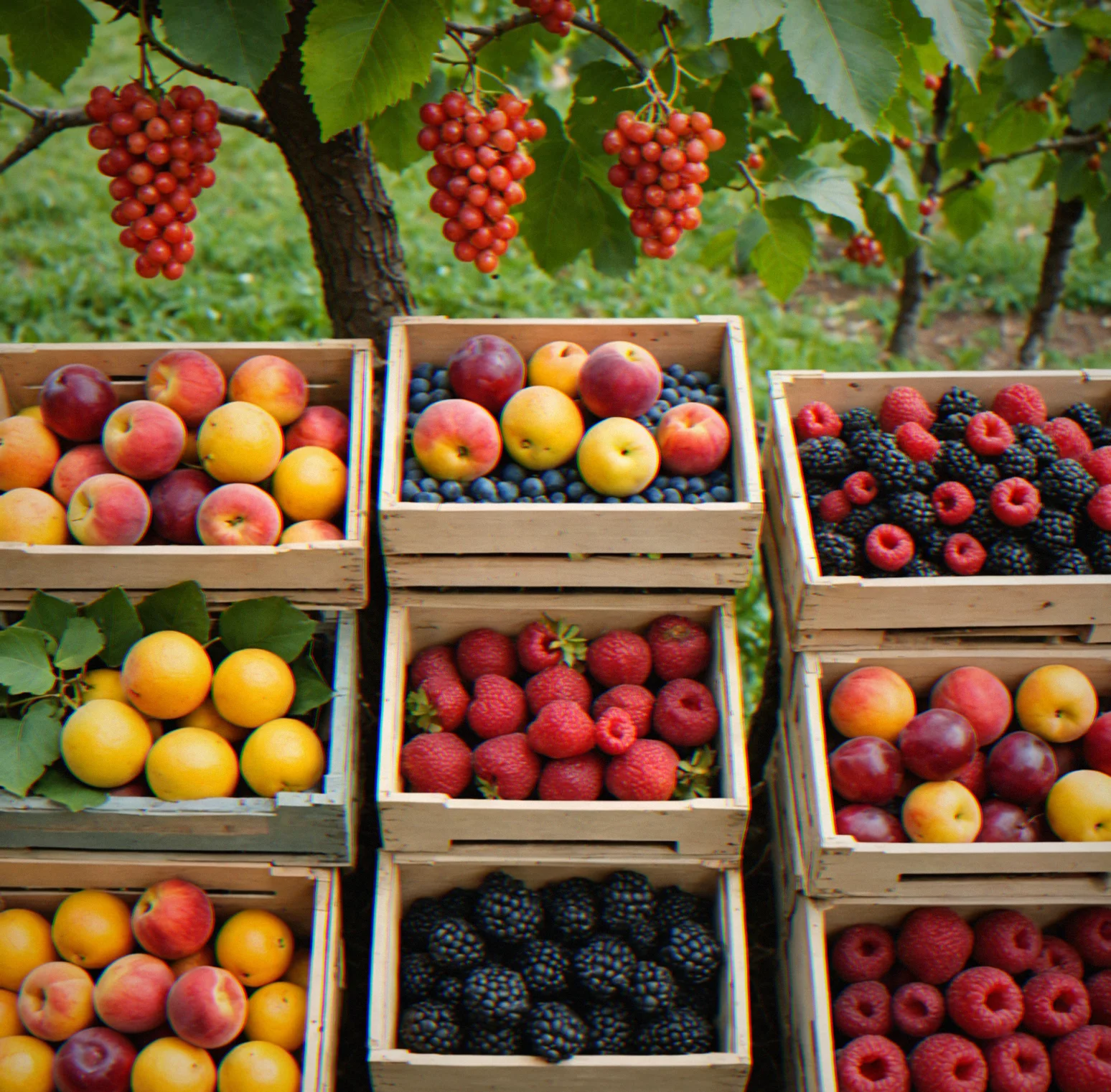
Buyers care about when things actually peak, how fast fruit moves through cold storage, where it's coming from, and how long it'll last on a shelf. These are the things that actually matter.
Peak Season Timing
Raspberries are at their best from mid-July through mid-September. Blackberries come in August and stick around until October. Miss that window and you're eating fruit that's past its prime.
Harvest-to-Cooler Speed
Pick fruit on Monday and it's cooled down by Wednesday morning. The cold chain is what stops everything from falling apart during transport. You're looking at a five-day window before the clock runs out, starting the moment it's picked.
Farm Traceability
You know exactly which farm in Skagit Valley or which Oregon orchard the fruit came from. The growers are GAP certified. Documentation comes with every batch.
Shelf Life Starts at Harvest
Peak ripeenss lasts days, not weeks. Raspberries picked Monday morning hit your walk-in by Wednesday. That window closes fast if the cold chain breaks anywhere. Temperature control at every step is what actually determines how long you have to sell the fruit. Keep berries at 35-38 degrees and they stay fresh longer. Don't, and you lose days of inventory you could have moved. Restaurants and specialty grocers understand this — they build menus around what's realistic, not what sounds good on paper.
How It Works
Walk through the main steps and see how everything flows from beginning to end.
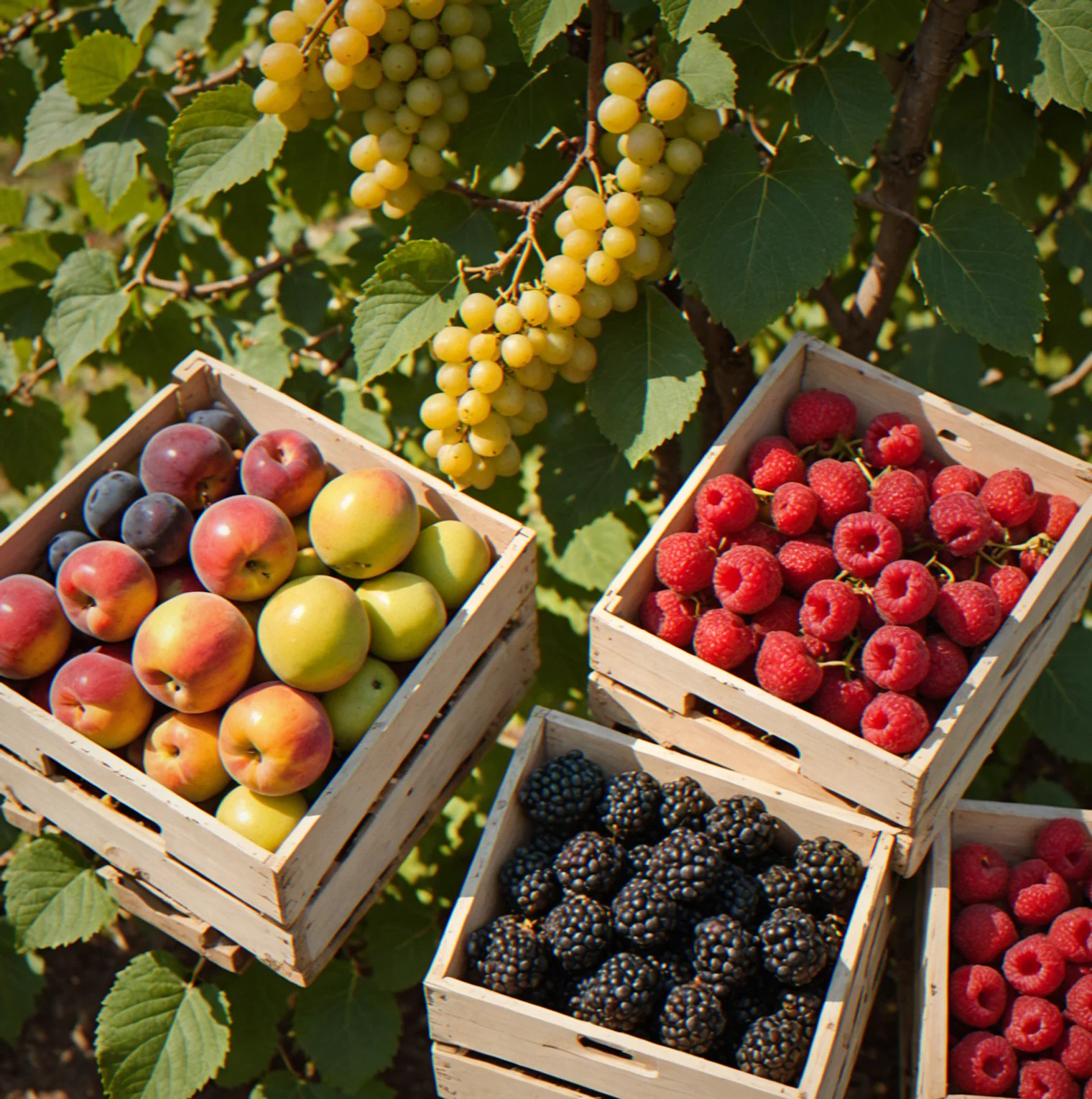
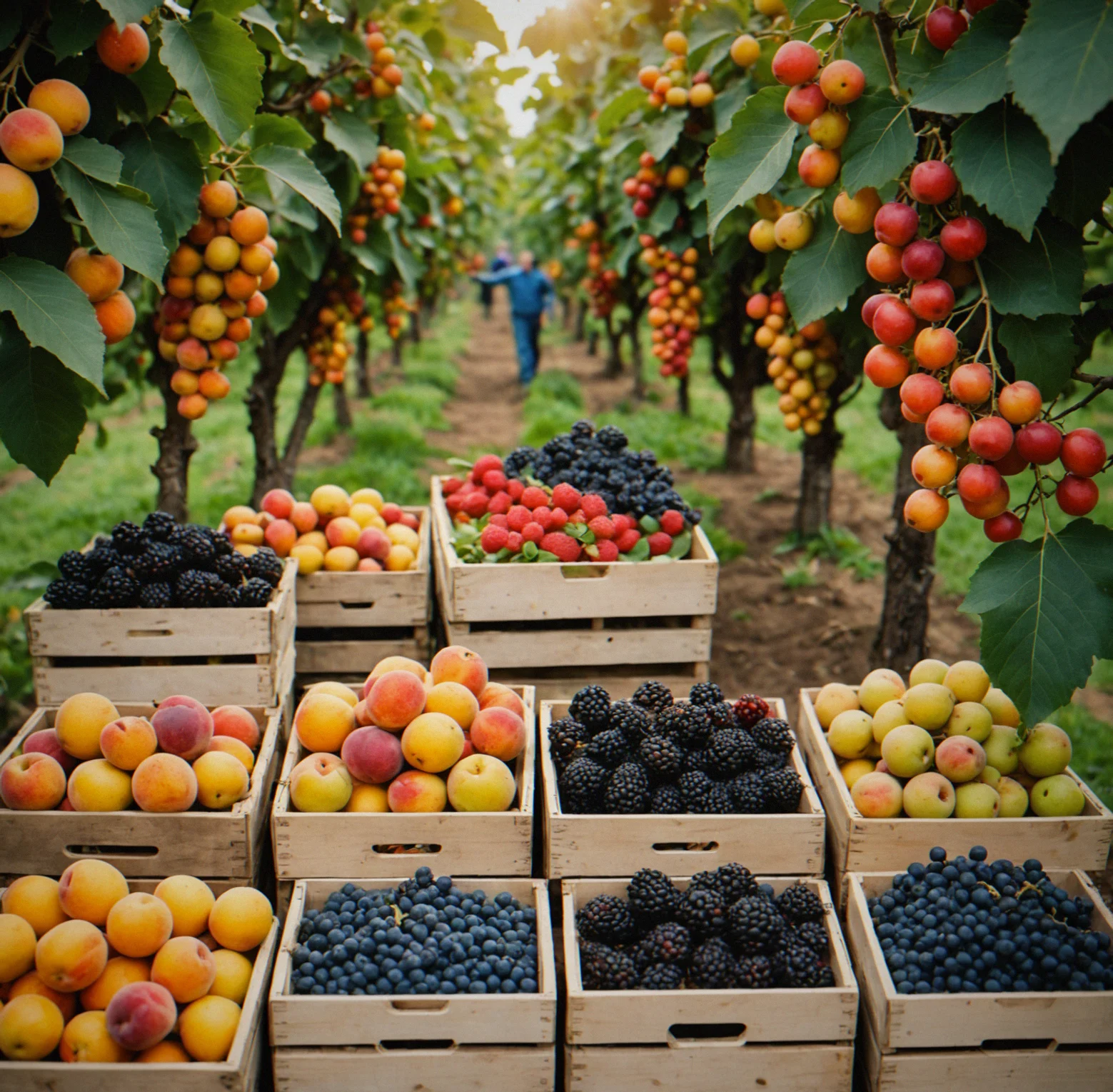
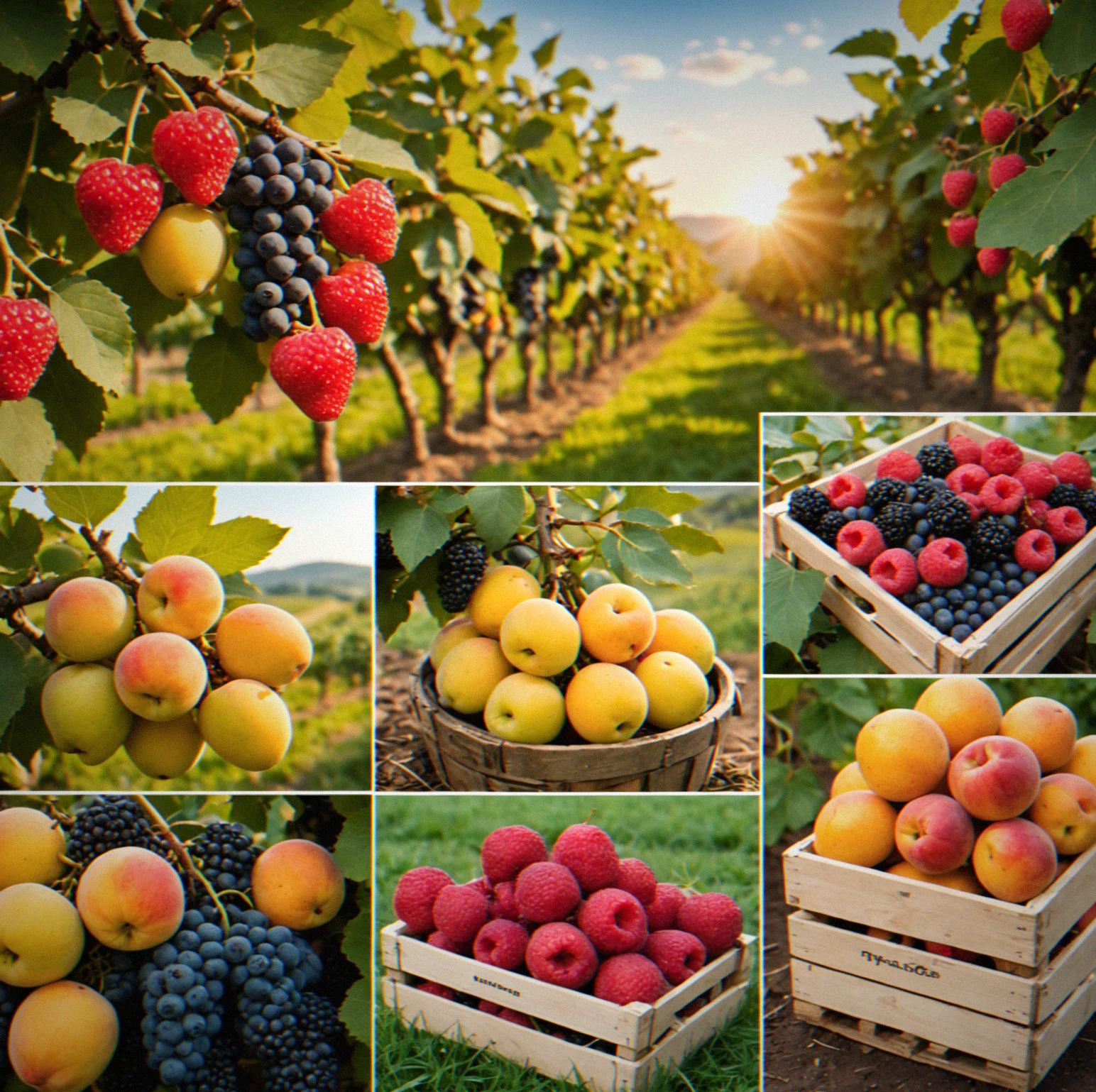
Peak Harvest Timing
Raspberries hit their sweet spot from mid-July through mid-September. Blackberries show up around August and stick around until October. Miss that window and you're eating mediocre fruit. What's available shifts week to week depending on what's actually ready to pick.
Cold Chain Logistics
Pick it Monday and it's in your cooler by Wednesday. The whole trip stays locked at 34 to 38 degrees. That speed matters because you've got roughly five days to move the fruit before quality starts sliding downhill. The clock starts the moment they come off the vine.
Farm Traceability
You can trace your berries back to the specific farm. Whether it's Siagit Valley or an Oregon orchard, we work with GAP certified growers and keep full documentation on every batch.
No Year-Round Stock
Inventory changes seasonally. Spring strawberries wrap up by late May. You've got to plan around what's actually in season.
Flavor Intensity Over Time
Sugar content and ripeness go hand in hand. Berries picked at their peak will continue ripening for a couple days when stored properly. The taste difference between peak season and late-season fruit is really noticeable.
Wholesale and Direct Orders
Five days notice gets you fruit whether you're a restaurant, specialty grocer, or buying direct. Minimums are reasonable. Delivery windows are fixed so there's no guessing, and you're dealing straight with the source instead of paying middleman markups.
Want to get peak-season berries?
See what's available right now and place an order.
What Matters When Ordering Peak-Season Fruit
Raspberries peak mid-July through mid-September. Blackberries run August through October. Strawberries come in spring. Stone fruits show up June through August. Fall apples start rolling in September. This rotation isn't a limitation. It's the only way to actually get flavor and shelf life worth talking about. Order outside the window and you're getting fruit picked too early, sitting in storage, or shipped from somewhere trying to catch up. Peak season means harvest happened two days ago. Not three weeks ago at some consolidation facility. Cold-chain logistics are what separate real seasonal sourcing from just moving generic produce around. Fruit picked Monday morning gets to your cooler Wednesday. Temperature stays at 34-38 degrees Fahrenheit the whole time. This matters because the clock starts ticking the second berries are harvested, and doing cold storage right at every step buys you five to seven extra days of usable inventory. Skip it and those days disappear. Knowing which specific farm your fruit came from instead of just seeing vague regional labels actually means something to restaurants and specialty grocers building menus around reliability and where things come from. GAP certification. Organic paperwork. Harvest dates on every lot. You know which Skagit Valley grower. Which Oregon orchard.
Seasonal Fruit Sourcing: Real Questions
Direct answers about availability, shelf life, ordering, and what actually matters when sourcing peak-season berries and stone fruits. No marketing speak.
Because raspberries peak mid-July through mid-September. Blackberries run August through October. Outside those windows, you are buying fruit that was picked underripe, stored in cold storage for weeks, or shipped from another region chasing ripeness. That fruit costs more and tastes flat. Peak season is the only time to guarantee flavor intensity and shelf life.
Monday harvest. Wednesday morning in your cooler. Cold chain maintained at 34-38 degrees Fahrenheit the entire way. That 48-hour window is critical — it is the difference between 8-10 days of usable shelf life and 5 days.
Shelf life degrades rapidly. Berries start softening, flavor flattens, mold risk increases. That is why we use dedicated refrigerated logistics, not mixed freight. Temperature monitored throughout.
Five days minimum. Restaurants and specialty grocers call Tuesday for Friday delivery, for example. Direct-to-consumer orders follow the same timeline. Minimums are small — a case or two, not pallets.
Yes. Skagit Valley grower, Oregon orchard, specific lot number, harvest date, GAP or organic certification if applicable. Documentation provided with every order. That traceability is non-negotiable for chefs and grocers building menus around specific sourcing claims.
Use the available navigation and links to explore the website in more detail.
Get notified when peak-season fruit hits inventory.
Weekly updates on what is in stock this week, harvest timing, and availability windows. Restaurants and home cooks planning menus need to know 5 days in advance. Sign up to stay ahead.
Subscribed. You will receive weekly updates on peak-season availability starting next week.